Attics are the overlooked parts of a house until something goes wrong. In Los Angeles, where older bungalows sit next to newer builds, attics accumulate dust, insulation breakdown, pest debris, and the occasional legacy of rodent activity. Hiring attic cleaning services in Los Angeles CA seems simple: find a company, get a quote, schedule a clean. What turns that simple idea into a costly mistake is a string of small decisions that add up. Below I walk through the mistakes I have seen repeatedly, explain why they matter, and give pragmatic alternatives so you get the results you expect without regretting the hire.
Why getting attic work right matters Attic cleaning is not cosmetic. It affects indoor air quality, energy bills, and the lifespan of insulation and HVAC ducts. An improperly handled rodent attic clean up leaves behind urine and droppings that continue to contaminate the home. Overzealous contractors can tear up insulation and create drafts, while underqualified workers can miss nesting sites, leading to repeated infestations. Los Angeles homeowners pay for a service but often inherit new problems instead: contaminated vents, a blown budget, or insurance complications. The goal is clean, safe, and durable results, not just a tidy crawlspace.
Mistake 1 — Choosing on price alone Price is important, but the cheapest bid often reflects shortcuts. I’ve seen three-dollar-per-square-foot quotes that excluded removal of contaminated insulation and then tacked on thousands in “unforeseen” fees when technicians found urine-soaked batts. Conversely, a higher upfront price can include full remediation, disposal, sanitization, and a written warranty. Ask what’s included. If a scope does not mention inspection, glove-up testing, HEPA vacuuming, or proper disposal of biological waste, you are probably looking at a base clean that won’t solve rodent attic cleanup problems.
How to judge value: request itemized bids that list inspection, removal, sanitization, disposal, sealing of entry points if offered, and any testing. Compare apples to local attic clean up services apples. If a contractor cannot or will not put the scope in writing, walk away.
Mistake 2 — Hiring a general cleaner instead of a specialist Attic cleaning intersects with pest control, insulation work, and sometimes HVAC. A general home cleaner may be good at dusting a living room but lacks the protective equipment and disposal protocols for attic rat cleanup. Rodent waste is biohazardous; it requires HEPA-filtered vacuums, protective suits, and regulated disposal. On the other hand, a pest control company may remove animals but not restore insulation or sanitize ducts.
Look for companies offering combined expertise or a partnership model. For instance, a trusted approach is a pest control company that handles exclusion and live removal, paired with an attic cleaning service that removes contaminated insulation and performs sanitization. In Los Angeles, a reputable option is to verify if a company like Rodent Control Inc. Or similar firms coordinate both roles, or at least have referrals to attic cleaning companies that comply with health standards.
Mistake 3 — Not verifying licenses and insurance Because attics sit in a regulatory gray zone, many homeowners skip verification. That is a huge risk. Workers can fall through ceiling joists, knock over ductwork, or create a hidden leak that causes mold. Confirm three things: general liability insurance, workers compensation, and any state or local contractor registration relevant to pest control or insulation removal. If a company refuses to provide insurance certificates, assume you will be liable for any damage or injury.
Practical check: ask for the insurance carrier and policy number. Call the insurer if something feels off. In Los Angeles, some county permits or disclosure forms may be required for large-scale insulation removal. If the job involves disturbing fiberglass or vermiculite insulation, check whether the contractor follows local rules for asbestos or hazardous material handling.
Mistake 4 — Failing to get an on-site inspection first A photo and attic clean up services a square footage number do not tell the whole story. Some attics have inaccessible corners, fragile plaster ceilings, or hidden wiring that affects the scope and cost. A proper on-site inspection identifies hazards like active nests, water stains, weakened decking, or compressed insulation. It also permits the tech to sample droppings for pathogen concerns and to look for entry points that need exclusion.
Example: I supervised a project where a homeowner accepted a quote based on photos. On arrival the crew found rodent channels under old blown-in insulation leading to a sagging section of roof sheathing that required repair. The initial quote excluded structural repairs, and the homeowner was surprised by the added expense. An on-site inspection would have caught that before commitments were made.
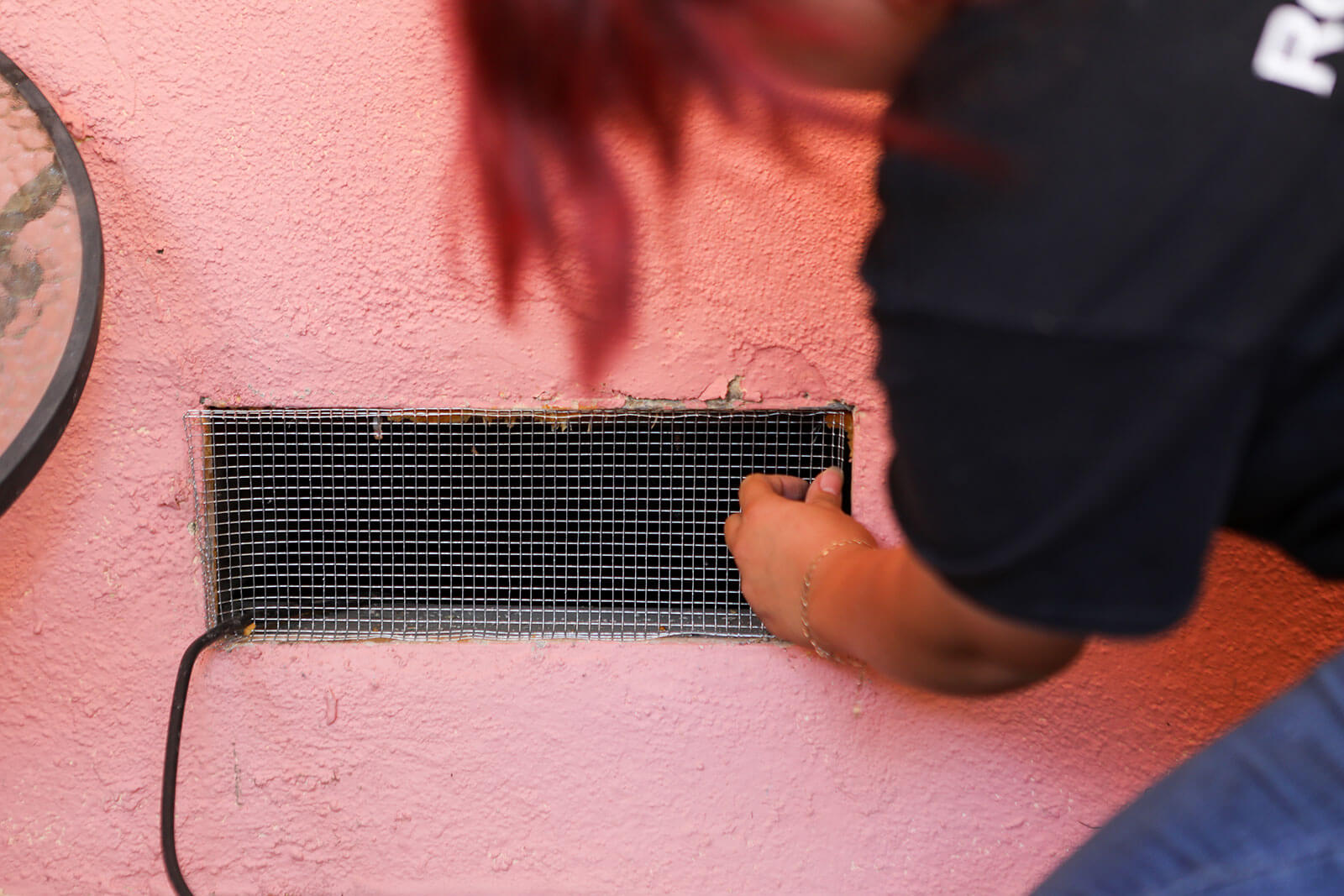
Mistake 5 — Overlooking post-cleaning exclusion work Cleaning attic rat cleanup without sealing entry points is throwing money away. Rats and mice will reuse an attic within weeks if the root cause is not addressed. Exclusion is the process of finding and permanently closing the points where pests enter, including vents, eaves, utility penetrations, and gaps around chimneys. It requires metal flashing, steel mesh, or foam with wire backing — not just caulk.
Good contracts bind cleaning and exclusion together, or at least include a clearly defined handoff to a pest control company. If a company says they do exclusion, ask for examples, pictures of previous work, and the materials they use. A persuasive sign of competence is a warranty that limits re-infestation for a set period and specifies conditions.
Mistake 6 — Ignoring air quality and duct contamination Attic dust is not innocent. When air handlers pull air from an attic or when unsealed ducts run through a contaminated space, particles and pathogens can cycle into living areas. Some companies clean only the visible attic floor and ignore ducts, soffit vents, and insulation around HVAC equipment. That can leave your home smelling the same or continuing to test poorly for airborne contaminants.
Consider hiring teams that offer duct inspection or at least coordinate with an HVAC contractor. A thorough attic cleaning job inspects and, where necessary, seals or cleans ducts that traverse the attic. If ducts are damaged or the plenums are contaminated, cleaning the attic without addressing those will not protect indoor air. In many cases, the marginal cost of a duct inspection is small compared with the risk of repeated exposure.
Mistake 7 — Letting contractors determine the disposal method without oversight Attic waste from rodent cleanup is not ordinary trash. Biological waste, contaminated insulation, and soiled debris require specific disposal protocols. I have encountered crews who bagged contaminated batts in regular trash bags and left them at the curb, risking neighborhood exposure and possible municipal fines.
Ask how materials will be contained, transported, and disposed of, and request documentation or photos of disposal if you want assurance. Proper disposal often means double-bagging with labeled biohazard or contaminated waste tags and using waste haulers compliant with local regulations. Los Angeles has rules about certain contaminated materials; confirm your contractor follows them.
Mistake 8 — Not confirming the products and methods used for sanitization Sanitization is not a one-size-fits-all step. Some products are broad-spectrum disinfectants, others are enzymatic cleaners designed to break down urine and fecal matter. Using bleach in an attic with old insulation can damage materials and create fumes that linger. Conversely, some contractors rely on aerosolized sprays that merely mask odors.
Ask about the specific products and the application method. Enzymatic treatments combined with HEPA vacuuming yield better results for bio-contaminants. For odor control, thermal fogging may be effective when done correctly, but it should only be used by trained technicians with proper PPE and ventilation plans. Get product names and, if necessary, request safety data sheets.
Mistake 9 — Accepting vague warranties or no follow-up Workmanship warranties protect you from shoddy repairs and repeat infestations. Some companies offer a six-month workmanship assurance, others provide nothing. A meaningful warranty will say what is covered, for how long, and what conditions void it. Look for companies that will return if pests reappear within a specified period and that document follow-up visits.
Beware of overbroad language such as "no guarantee of re-entry." Every pest control scenario has variables, but a responsible provider will offer at least 30 to 90 days of follow-up and a clear remediation plan if your home is re-infested. Companies that decline to put any guarantee in writing are signaling uncertainty.
Mistake 10 — Overlooking communication and documentation Poor communication is more than an annoyance. It often signals disorganization. If a contractor is slow to answer questions during the estimate stage, imagine how they will respond during a complication. Documentation protects homeowners: contracts, photos of the attic before and after, receipts for disposed materials, and written warranty terms.
A best practice is to request a pre-work checklist and a post-work report. The pre-work checklist should note inspection findings, hazards, and agreed scope. The post-work report should include photos of cleared areas, proof of disposal, and any exclusion work done. These documents are useful if you file an insurance claim or sell the home later.
A brief checklist to use when vetting attic cleaning services
- Ask for an itemized written quote that includes inspection, removal, sanitization, disposal, and exclusion work if offered. Verify general liability, workers compensation, and specific certifications; request insurance certificate details. Confirm experience with rodent attic clean up, and ask for before/after photos or references. Inquire about products and methods, especially for sanitization and odor control, and request safety data sheets. Ask about written warranties and follow-up visits, and request a post-work report with disposal documentation.
How to weigh trade-offs and edge cases Not every attic needs the full remediation protocol. For example, a clean attic with a single old mouse nest in non-insulating material may only require targeted removal and spot sanitization. Conversely, if your attic has historic rodent activity, accumulated urine stains, or insulation saturation, full insulation removal and replacement may be the right investment. If budget is a constraint, prioritize exclusion and sanitization of areas near HVAC, then plan insulation replacement in a phased way.
Another edge case is rental properties. Landlords must weigh cost against compliance and tenant health. Quick cleans to satisfy a move-out inspection may not address deeper contamination, which could result in health complaints or legal exposure. In those cases, investing properly up front saves time and liability later.
Choosing the right partner in Los Angeles Reputation matters. Look for companies with local reviews, verified photos, and transparent pricing. Check if they work with or are recommended by pest control firms, insulation contractors, or HVAC specialists. Ask for references from recent jobs similar to yours. You want a team that understands Los Angeles building styles, common entry points for local pests, and municipal disposal requirements.
If you are considering a firm like Rodent Control Inc. Or any company that advertises both pest control attic cleaning and exclusion, ask how they separate scopes and whether they subcontract. Subcontracting is common and can be fine, but you should have a single contract and warranty that covers the full job regardless of who performs each part.
Practical timeline and what to expect A standard attic rodent cleanup for a single-family home in Los Angeles often unfolds in phases: inspection, containment and exclusion, removal of contaminated materials, sanitization, disposal, and final inspection. Smaller jobs may take a day; extensive remediation with insulation replacement can take multiple days and coordination with other trades. Expect the contractor to require attic access, electrical shutoff for safety during some procedures, and occasionally, temporary removal of stored items if the attic is used for storage.
Cost reality Prices vary with square footage, contamination level, and required repairs. As a rough range, small spot cleanings might start in the low hundreds, while full contaminated insulation removal and replacement combined with exclusion can run into the thousands. Because exact numbers depend on variables, insist on a detailed scope and avoid lowball estimates that omit key steps.
Final persuasion: what to prioritize If you take nothing else from this, prioritize these three things: documented scope, proper protective and disposal procedures, and permanent exclusion. Those are the pillars that prevent rework, protect your health, and keep costs predictable. Savvy homeowners in Los Angeles treat attic cleaning as a small renovation with a defined scope, not a one-off cleaning chore.
Refuse rushed assurances, demand inspection and documentation, and choose a team that communicates clearly. The right company will explain trade-offs, provide references, and stand behind their work. Atmosphere, peace of mind, and long-term savings come from doing attic work correctly the first time. Your attic is more than a storage box; it is part of your home’s environmental system. Treat it that way.
Rodent Control Inc.
Los Angeles, CA, United States
+1 (323) 553-5551
[email protected]
Website: https://rodentcontrolinc.com/